
About This Coffee
The 5,982 farmers in Yesheko Amora Gedel Coffee Cooperative Society Union cultivate coffee in 4.8 hectares of forested land. In Ethiopia, where coffee first originated, coffee evolved to thrive in forests under lots of shade and growing alongside many other plants. This forested environment can produce extremely high quality coffee. The farmers in Bench Sheko have a long history of cultivating forest coffee and they continue to do so to this day.
Cultivation
Forest coffee can be more sustainable in a number of ways. Farmland doesn’t have to be cleared to grow this coffee and thus, the land continues to sequester more carbon, nourish the soil and protect the species that live there. Additionally, the diversity of plants in the forest and the natural wildlife helps improve soil nutrition and minimizes the need for fertilizer or other inputs.
Harvest & Post-Harvest
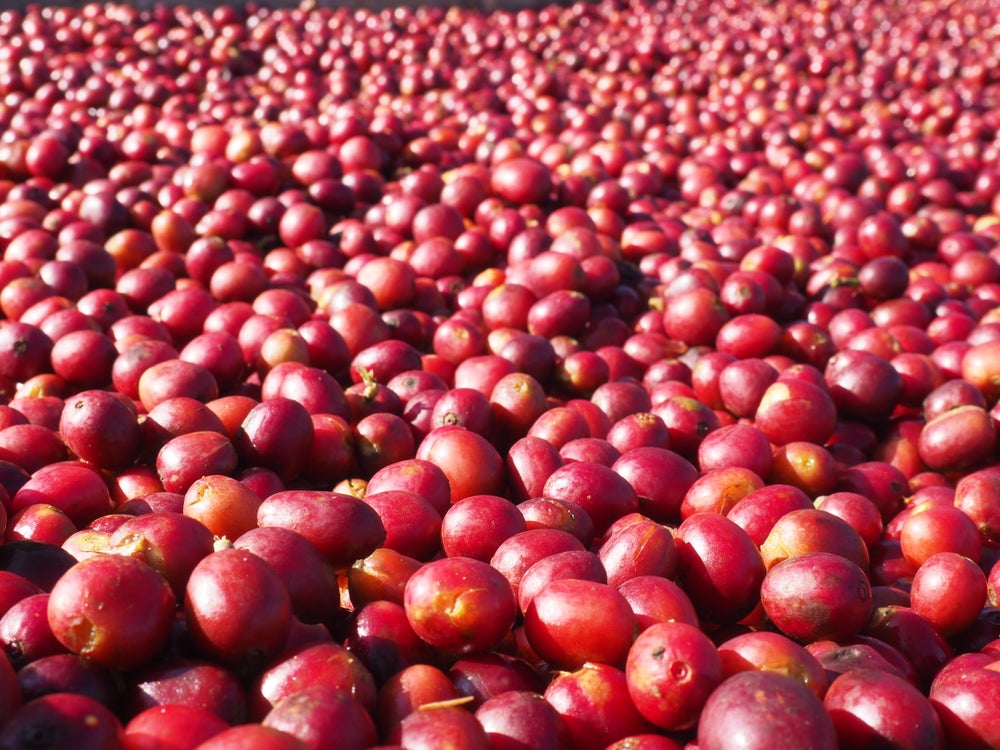
Farmers selectively handpick ripe, red cherry and process it at a central cooperative site. Coffee grown in forests typically has lower yields but the high quality of the coffee often makes up for the lower yields. Farmers bring cherry to the cooperative mill where cherry is laid to dry. Cherry is raked frequently to ensure even drying. It takes approximately 21 days for cherry to dry.
Coffee in Ethiopia
While Ethiopia is famous as coffee’s birthplace, today it remains a specialty coffee industry darling for its incredible variety of flavors. While full traceability has been difficult in recent history, new regulations have made direct purchasing possible. We’re partnering directly with farmers to help them produce top quality specialty lots that are now completely traceable, adding value for farmers and roasters, alike.
The exceptional quality of Ethiopian coffee is due to a combination of factors. The genetic diversity of coffee varieties means that we find a diversity of flavor, even between (or within) farms with similar growing conditions and processing. In addition to varieties, processing methods also contribute to end quality. The final key ingredients for excellent coffee in Ethiopia are the producing traditions that have created the genetic diversity, processing infrastructure and great coffee we enjoy today.
Most producers in Ethiopia are smallholders, and the majority continue to cultivate coffee using traditional methods. As a result, most coffee is grown with no chemical fertilizer or pesticide use. Coffee is almost entirely cultivated, harvested and dried using manual systems.