
About This Coffee
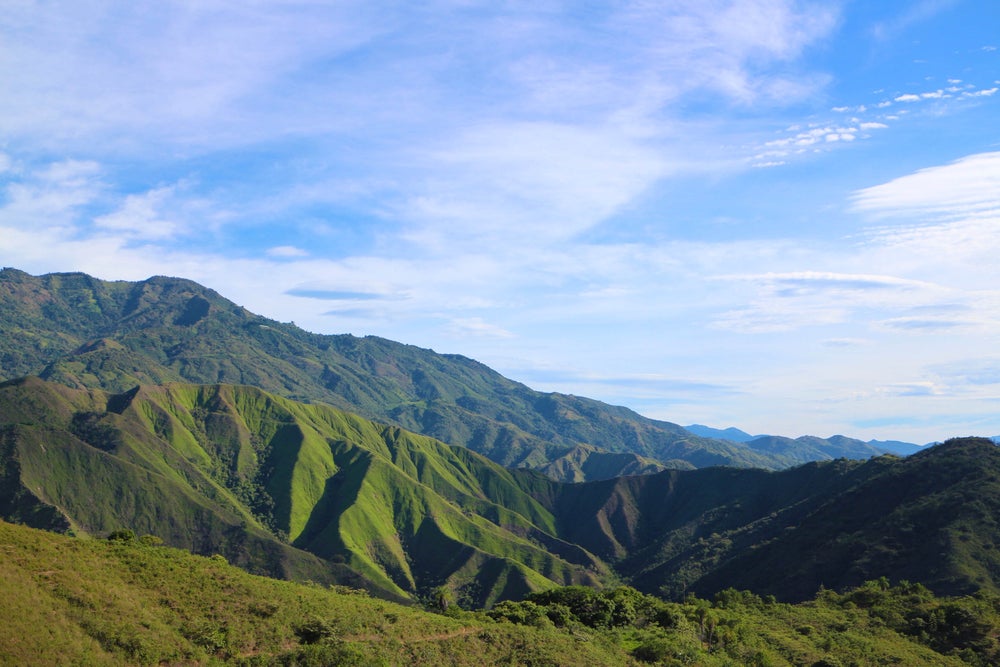
Angélica María Ospina Rojas produces coffee at Finca El Porvenir at 1,800 meters above sea level. She named her farm, Porvenir, which is Spanish for the future, out of a hope for a better future. Located in Aipecito, in Huila, the high altitudes of her farm provide the ideal conditions for cultivating sweet, dense high-quality cherry.
Angélica is a part of Manos al Grano, a non-profit organization founded in 2021 to support coffee pickers. Manos al Grano provides training for coffee pickers and legalizes their work by paying them legally through a bank. Laborers also receive benefits like health insurance and a pension.
Harvest & Post-Harvest
Trained pickers with Manos al Grano selectively handpick ripe, red cherry and deliver it to Angélica’s on-farm wet mill. Cherry is left to ferment lightly for 18 hours and is then pulped and placed in tanks to ferment for 24 hours. Following fermentation, parchment is washed in clean water and laid on patios to dry. Parchment dries on patios for 1 day before being finished at low temperature in a mechanical dryer for 35 hours.
Azahar
Azahar Colombia works directly with producers to source excellent, traceable coffee from Colombia’s best producing regions. They pride themselves on transparent relationships that improve incomes and quality.
In addition to their exporting arm, Azahar also operates a roastery in Quindío and several cafés in Bogotá that serve superb locally-produced coffees to Colombian consumers.
Coffee in Colombia
Colombia has been producing and exporting coffee renowned for their full body, bright acidity and rich aftertaste, since the early 19th century.
Colombia boasts a wide range of climates and geographic conditions that produce their own unique flavors in coffee. This also means that harvest times can vary quite a bit. In fact, between all its different regions, Colombia produces fresh crop nearly all year round.
The increasing focus on the specialty industry is changing the way traders and farmers do business. It is becoming more common for farmers to isolate the highest quality beans in their lots to market separately. These higher-quality lots are often sold under specific brands or stories.
Besides its wide variety of cup profiles, Colombia has quickly expanded its certification options over the past 10 years. The most common certifications available are Fairtrade, Rainforest Alliance and Organic.