
About This Coffee
The Caficultora 2.0 program is an initiative focused on socially and economically empowering female coffee producers in Cauca, Colombia. The program currently involves 50 female coffee growers and indirectly benefits an additional 150 people through the additional family income generated by the participants.
Through CAFICAUCA (Cooperativa de Caficultores del Cauca), producers learn about the commercialized roasting. Their involvement equips them with a wide range of skills including handling business finances and understanding consumption in the local market.
Cultivation
Caficultura 2.0 uses a mixture of education, agronomic assistance and entrepreneurial experience to empower female growers in all aspects of their lives. Educational sessions cover a wide variety of topics from financial literacy to gender equality. Agronomists with CAFICAUCA provide trainings on proper cherry selection, improving processing and more.
About CAFICAUCA
From their roots in 1961 with 297 coffee growers, the Cooperativa de Caficultores del Cauca (CAFICAUCA) has remained focused on economic empowerment for their members. Now, their more than 2,900 members benefit from their value-addition roasting business that captures a larger portion of a coffee’s final value and shares that extra income with producer-members.
In addition to their roasting business, the cooperative provides a plethora of services for its members and their coffee-growing communities. Producers can apply for loans, scholarships and aid from the cooperative as well as purchase fertilizers and other inputs at good prices.
About Cauca
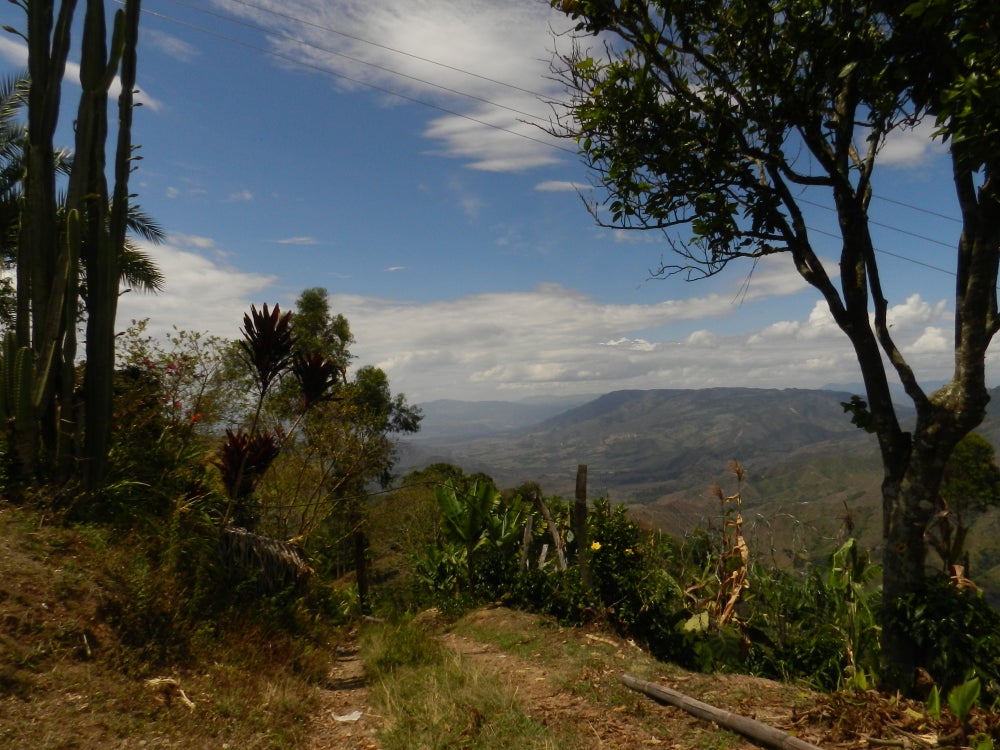
Alongside Nariño and Huila, Cauca is becoming part of the “New Coffee Triangle.” Named after the Eje Cafetero, the region that was once the heart of Colombia’s coffee production, this New Coffee Triangle takes advantage of the high altitudes from the Andes Mountains and water-rich drainage basins that abound in the region.
In Cauca, most coffee is grown in small plots by rural and largely indigenous communities. More than 90,000 families cultivate approximately 93,000 hectares of coffee across Cauca. The most common varieties are Castillo, Colombia, Caturra, Typica, Bourbon and Tabí.
Like Nariño and Huila, Cauca is emerging from a long history of armed conflict and drug smuggling, which isolated the region and made it difficult to maintain coffee traceability.
Covid-19 Impact
We were excited to contract these microlots from two cooperative in Cauca for the first time this year. Unfortunately, the novel coronavirus outbreak that the World Health Organization declared a pandemic in March 2020, made gathering comprehensive traceability information difficult this year. In the coming season, we hope to work with these producers to expand upon their stories and provide you for with more comprehensive cultivation and processing information.
Coffee in Colombia
Colombia has been producing and exporting coffee renowned for their full body, bright acidity and rich aftertaste, since the early 19th century.
Colombia boasts a wide range of climates and geographic conditions that produce their own unique flavors in coffee. This also means that harvest times can vary quite a bit. In fact, between all its different regions, Colombia produces fresh crop nearly all year round.
The increasing focus on the specialty industry is changing the way traders and farmers do business. It is becoming more common for farmers to isolate the highest quality beans in their lots to market separately. These higher-quality lots are often sold under specific brands or stories.
Besides its wide variety of cup profiles, Colombia has quickly expanded its certification options over the past 10 years. The most common certifications available are Fairtrade, Rainforest Alliance and Organic.