
About This Coffee
Kochere is a district in Gedeo zone in Southern Nations, Nationalities and Peoples Region (SNNPR). The region is marked by high altitudes of 1,800 to 2,100 meters above sea level. The high altitudes and ideal conditions combine to create a fruity and sweet coffee that’s RFA certified too.
Cultivation
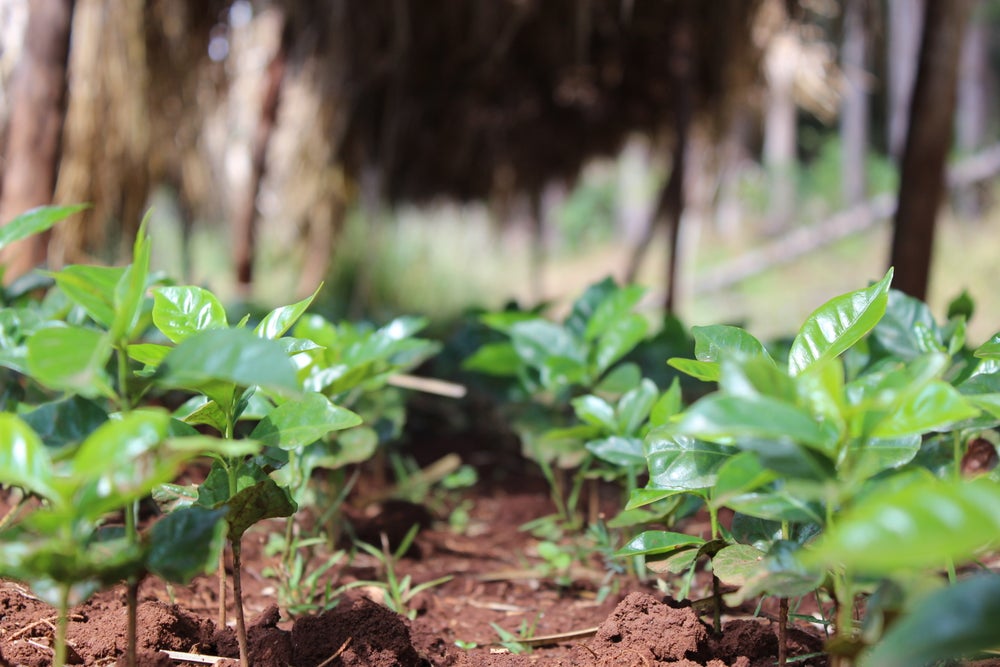
Farming methods in the region remain largely traditional. Farmers typically intercrop their coffee plants with other food crops. This method is common among smallholders because it maximizes land use and provides food for their families.
In addition to remaining traditionally intercropped, most farms are also organic-by-default. Farmers typically use very few—if any—fertilizers or pesticides. Most farm work is done manually by the immediate family.
Harvest & Post-Harvest
Cherry is traditionally delivered to washing stations for processing. Washed processing at the station follows the traditional Ethiopian methods. After an initial screening where cherry is floated and visually checked underripes, overripes and damaged cherry, cherry is pulped and fermented. Coffee ferments in water for 36 to 72 hours. During fermentation, water is changed 3 times.
After fermentation, parchment is sent through a grading channel that simultaneously washed parchment, removing any remaining mucilage and separates parchment by density. Once clean, the highest parchment grade is soaked for an additional 8 to 12 hours.
The wet parchment is transferred to the drying field. That first day, parchment rests on the pre-drying tables where excess water can easily drain off and employees inspect wet parchment. It is easier to detect and remove defects in wet parchment. After one day on the pre-drying tables, the drying field staff transfers the wet parchment to raised beds where it will dry for up to 12 days. Staff regularly turn the parchment to ensure even drying.
Grade 2
In the Ethiopian grading system, grade 2 refers to the cup quality as well as physical quality of a coffee. A grade 2 allows between four and 13 full defects per 300gr green sample. The cup typically has fruity and clean characteristics without any off-flavors.
Ethiopia Sidamo 2 is a classic in every coffee range and is especially popular in blends. The cup quality can be very surprising for prices well below the grade 1 price point. For us, grade 2 coffee typically sits around an 83-84 cup score.
Coffee in Ethiopia
While Ethiopia is famous as coffee’s birthplace, today it remains a specialty coffee industry darling for its incredible variety of flavors. While full traceability has been difficult in recent history, new regulations have made direct purchasing possible. We’re partnering directly with farmers to help them produce top quality specialty lots that are now completely traceable, adding value for farmers and roasters, alike.
The exceptional quality of Ethiopian coffee is due to a combination of factors. The genetic diversity of coffee varieties means that we find a diversity of flavor, even between (or within) farms with similar growing conditions and processing. In addition to varieties, processing methods also contribute to end quality. The final key ingredients for excellent coffee in Ethiopia are the producing traditions that have created the genetic diversity, processing infrastructure and great coffee we enjoy today.
Most producers in Ethiopia are smallholders, and the majority continue to cultivate coffee using traditional methods. As a result, most coffee is grown with no chemical fertilizer or pesticide use. Coffee is almost entirely cultivated, harvested and dried using manual systems.