About This Coffee
Daanisa is a sub-kebele in the Guji region. The name comes from the local name for an umbrella-shaped native tree. The daanisa tree has medicinal properties and is used for a wide range of construction purposes. Perhaps most importantly, it is used to shade the region’s coffee trees.
Harvest & Post-Harvest
Farmers selectively handpick cherry and deliver it to the washing station or to local collection points. At the washing station, coffee is sorted to ensure that only the ripest cherries are processed. The collection agent oversees the quality of the cherries before processing.
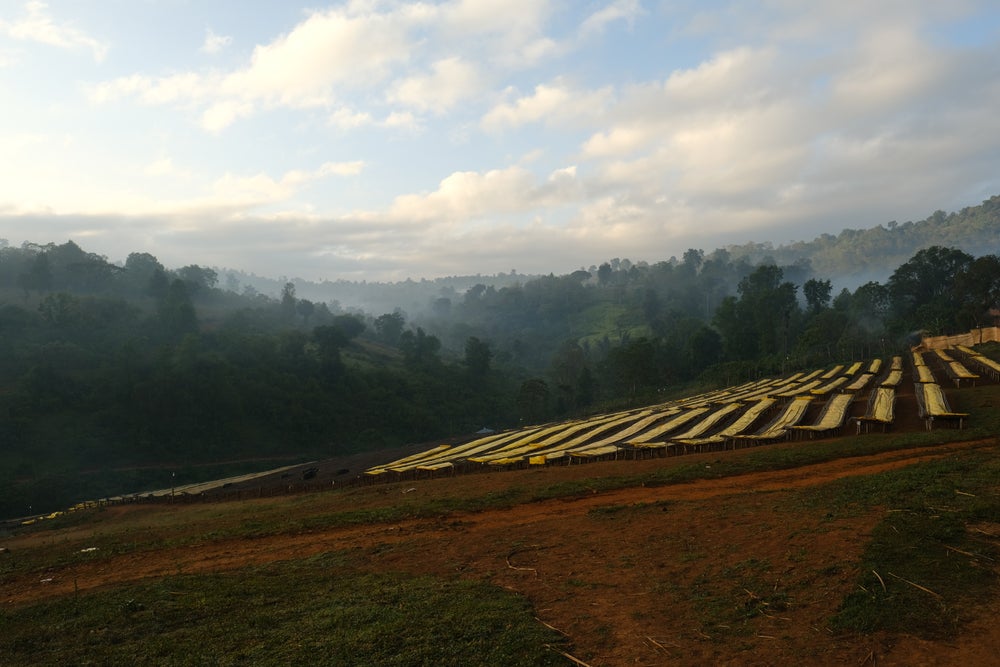
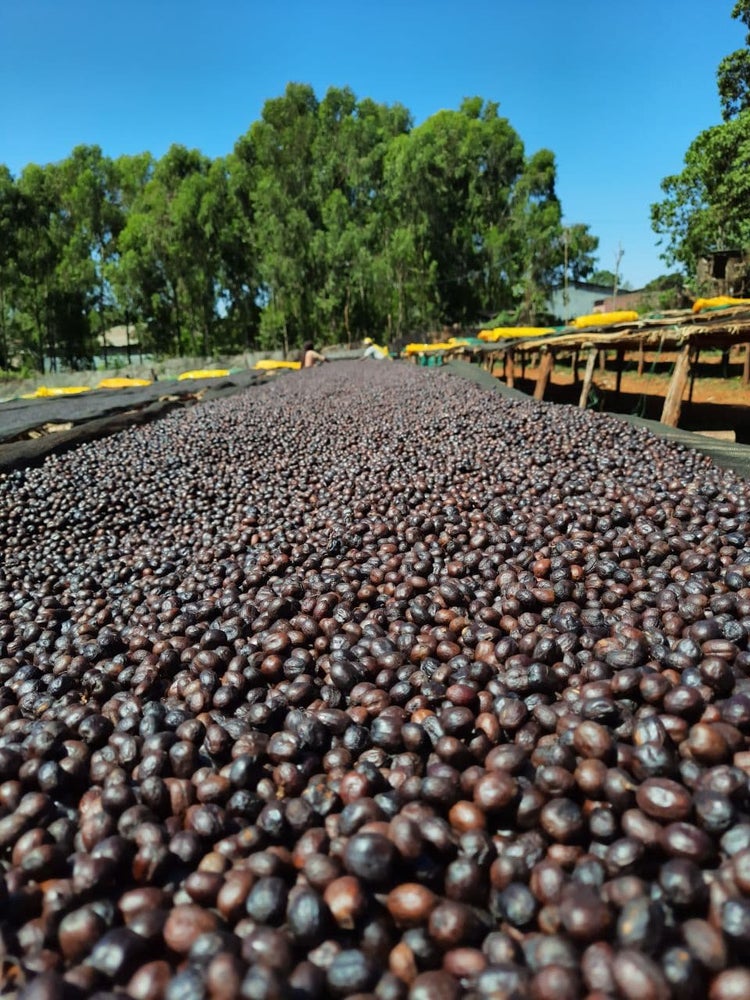
Cherry is floated in water first to remove any underweight or damaged beans and any debris. Only the cherries that sink are accepted for the higher qualities. Once floated, cherry is fermented without oxygen. This anaerobic fermentation helps create the bright, fruity flavors we love in this coffee. Following fermentation, cherry is laid on raised beds to dry. Cherry will be raked frequently to ensure even drying.
Sookoo Coffee
Sucafina has worked with Sookoo coffee since 2019. Sookoo Coffee is a family-owned company led by Ture Waji. Sookoo produces high-quality organic and specialty coffee. Sookoo is named after the Ethiopian word for gold. Like gold, coffee is precious and Sookoo’s name reflects the care and attention they pay to their coffees.
About Guji
Guji coffee has only recently been distinguished from neighboring Sidamo and Yirgacheffe. However, due to their incredible quality and unique profiles, they are quickly gaining international recognition.
The Guji region receives ample rainfall and is marked by steep mountainous terrain: perfect conditions to support the vast array of coffee grown here.
Coffee in Ethiopia
While Ethiopia is famous as coffee’s birthplace, today it remains a specialty coffee industry darling for its incredible variety of flavors. While full traceability has been difficult in recent history, new regulations have made direct purchasing possible. We’re partnering directly with farmers to help them produce top quality specialty lots that are now completely traceable, adding value for farmers and roasters, alike.
The exceptional quality of Ethiopian coffee is due to a combination of factors. The genetic diversity of coffee varieties means that we find a diversity of flavor, even between (or within) farms with similar growing conditions and processing. In addition to varieties, processing methods also contribute to end quality. The final key ingredients for excellent coffee in Ethiopia are the producing traditions that have created the genetic diversity, processing infrastructure and great coffee we enjoy today.
Most producers in Ethiopia are smallholders, and the majority continue to cultivate coffee using traditional methods. As a result, most coffee is grown with no chemical fertilizer or pesticide use. Coffee is almost entirely cultivated, harvested and dried using manual systems.