
About This Coffee
Capilla del Rosario spans 45 hectares between 1,650 and 2,000 meters in Rodeo Alto, Antioquia, looking over the Department’s capital of Medellin. The farm cultivates both traditional and newer varieties, positioning itself as a hub for research and innovation in Colombian coffee. It is led by fourth-generation grower Jose David Posada, who combines a background in business, culinary arts and education to push forward both quality and sustainability. Jose is also a major figure in Antioquia’s coffee scene and is always working to drive the region’s unique coffee culture front and center.
The refurbished process used for this unique lot involves submerging parchment coffee in a broth made from a cultured mix of bacteria and yeast, primarily lactobacillus and mesophiles, combined with a fruit extraction. By integrating external, non-coffee agents to the fermentation process, this method allows precise control of flavor development. Though not naturally occurring, the technique blends traditional fermentation knowledge with modern market-available processes to consistently replicate vibrant and clean cup profiles across batches. ths a year with a turnaround time of 45 days or less for export.
Cultivation
Jose cultivates 45 (!) different coffee varieties at Capilla del Rosario, including the Colombia and Castillo that have been included in this lot. The team runs educational sessions for visitors and tourists, including farm visits, cupping classes and harvest experiments, all with the intention of instilling the same love of place and product that Jose and the team have.
Harvest & Post-Harvest
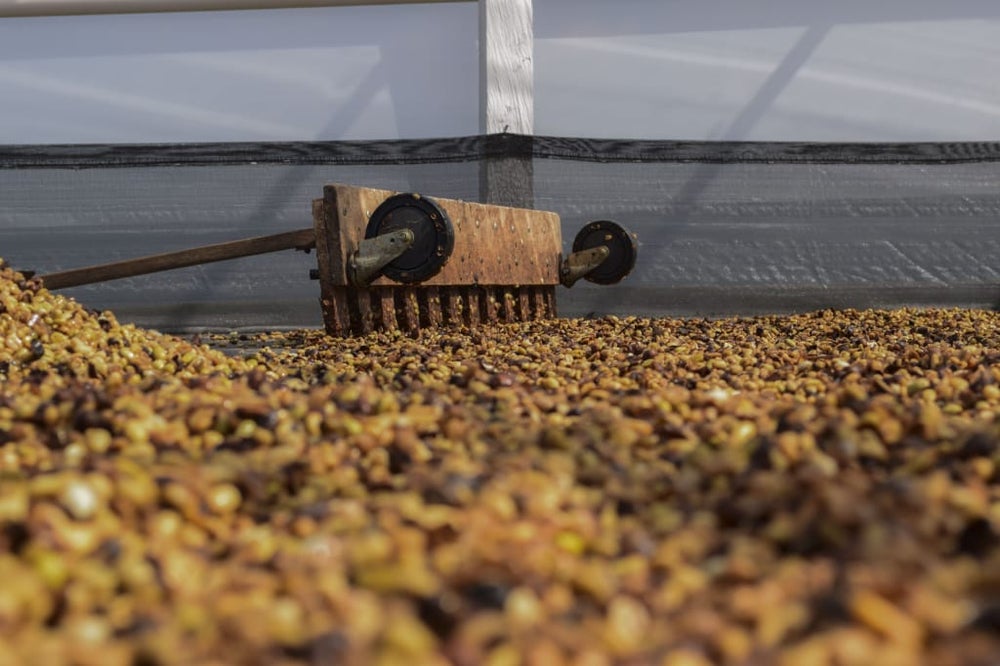
Cherry is selectively handpicked at peak ripeness and delivered directly to the on-site wet mill at Capilla del Rosario. Once pulped to parchment, the coffee is submerged in a fermentation solution known as the refurbish broth. This broth contains a symbiotic culture of bacteria and yeast, primarily lactobacillus species and mesophiles, which has been cultivated over several years using coffee cherries. Citric acid and lychee extract are added to the culture to create a dynamic fermentation environment. The parchment ferments in this solution under controlled conditions to enhance body, sweetness and acidity. After fermentation, the coffee is fully washed to remove any remaining residues and then sundried until it reaches stable moisture levels.
Clearpath
Founded by experienced agricultural trader Vicente Mejía, Clearpath Coffee works with producers in Colombia and exports high quality, sustainable single-origin coffees from smallholders, cooperatives and estates. Clearpath partners with producers to support ethical, sustainable growth through fair prices, direct communication with buyers and building long term relationships with sustainability-minded buyers.
Coffee in Colombia
Colombia has been producing and exporting coffee renowned for their full body, bright acidity and rich aftertaste, since the early 19th century.
Colombia boasts a wide range of climates and geographic conditions that produce their own unique flavors in coffee. This also means that harvest times can vary quite a bit. In fact, between all its different regions, Colombia produces fresh crop nearly all year round.
The increasing focus on the specialty industry is changing the way traders and farmers do business. It is becoming more common for farmers to isolate the highest quality beans in their lots to market separately. These higher-quality lots are often sold under specific brands or stories.
Besides its wide variety of cup profiles, Colombia has quickly expanded its certification options over the past 10 years. The most common certifications available are Fairtrade, Rainforest Alliance and Organic.