
About This Coffee
Chelbessa Washing Station, where this coffee was processed, is fairly new to the coffee landscape in Yirgacheffe. Nonetheless, this family-owned and operated washing station is producing exceptional coffees on par with some of the region’s most renowned and established outfits.
Cultivation
Farmers in this region have farmed coffee for generations upon generations. They are true specialists and are committed to using the best chemical-free cultivation methods. These cultivation methods result in an already stand-out product, and Chelbessa makes the most of this by adhering to stringent post-harvest standards.
Harvest & Post-Harvest
All coffee is selectively hand-harvested before being delivered to the washing station. At the washing station, Chelbessa’s team ensures that only the ripest cherries are processed. After being sorted, coffee is pulped and then fermented for 24 to 36 hours, depending on the weather conditions. Once fermentation is complete, the parchment is thoroughly washed in clean water and sent through grading channels, which separate each lot into two grades based on density. Once graded, the coffee is soaked in clean spring water in tanks for 12 to 24 hours to remove all traces of fermented mucilage.
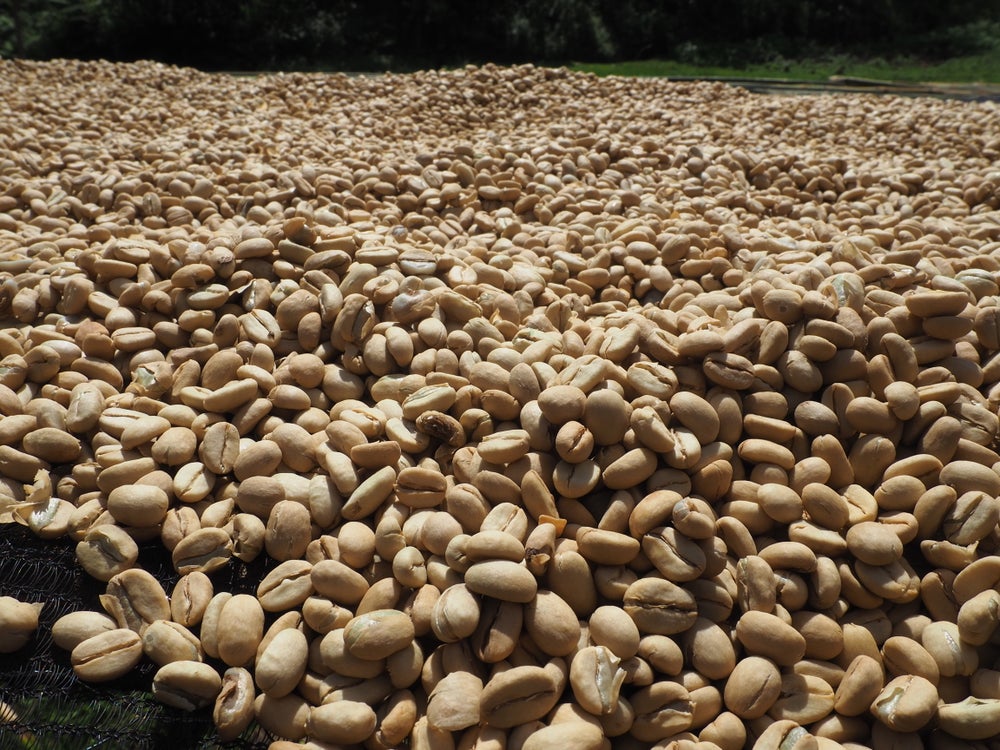
Once parchment is fully washed and soaked, it is laid to dry on raised beds for 10 to 14 days. During this time, the parchment is regularly turned and is hand-sorted several times to remove any damaged or discolored beans. Drying parchment is covered with plastic tarps during the hottest hours of the day to protect the parchment from drying too quickly. Equally, it is covered overnight to prevent condensation from seeping into the drying parchment. This labor and love result in a truly exquisite cup profile.
About Yirgacheffe
Yirgacheffe is a district in Southern Ethiopia’s Sidamo region. Yirgacheffe is widely recognized as one of coffee’s ‘birth regions.’ Washed coffees coming from this district are so well-known and sought-after that Yirgacheffe is considered its own micro-region.
The majority of coffees grown in Yirgacheffe are local landrace varieties (which are often also called Ethiopian heirloom). Other varieties grown in the region were developed by the Jimma Agricultural Research Centre (JARC). JARC is an important research center for Ethiopia and has done a great deal of work on developing disease-resistant and high-yielding varieties that still demonstrate quality in the profile.
Most farmers in the region farm on fewer than 5 hectares (many counting their coffee farms in terms of trees rather than area). Cultivation methods are traditional for the most part, with coffee being grown as part of an integrated ‘coffee garden,’ intercropped with other food crops.
Coffee in Ethiopia
While Ethiopia is famous as coffee’s birthplace, today it remains a specialty coffee industry darling for its incredible variety of flavors. While full traceability has been difficult in recent history, new regulations have made direct purchasing possible. We’re partnering directly with farmers to help them produce top quality specialty lots that are now completely traceable, adding value for farmers and roasters, alike.
The exceptional quality of Ethiopian coffee is due to a combination of factors. The genetic diversity of coffee varieties means that we find a diversity of flavor, even between (or within) farms with similar growing conditions and processing. In addition to varieties, processing methods also contribute to end quality. The final key ingredients for excellent coffee in Ethiopia are the producing traditions that have created the genetic diversity, processing infrastructure and great coffee we enjoy today.
Most producers in Ethiopia are smallholders, and the majority continue to cultivate coffee using traditional methods. As a result, most coffee is grown with no chemical fertilizer or pesticide use. Coffee is almost entirely cultivated, harvested and dried using manual systems.