
About This Coffee
Rodrigo Sanchez Valencia is an award-winning third-generation coffee farmer at Finca Monteblanco. His grandfather began cultivating coffee here several decades ago and today, Rodrigo works to preserve the natural diversity and productivity of the farm. For this lot process, Rodrigo selected ‘Purple’ Caturra for its versatility and higher Brix concentration, which lends itself well to the super-long and innovative fermentation method used for processing.
Cultivation
Finca Monteblanco is located near Cueva de los Guacharos, one of the 59 protected parks in Colombia. The Suaza river also runs nearby and provides fresh water for cultivation and processing.
Rodrigo cultivates Caturra, Geisha, Pink Bourbon and Pacamara varieties on Finca Monteblanco (in addition to his unique ‘Purple’ Caturra. The high altitude and superb microclimate of Acevedo, Huila creates the ideal conditions for cultivating specialty coffees.
Harvest & Post-Harvest
Rodrigo’s passion for research made this lot possible. It began in 2016 when he drew inspiration from winemaking, where he saw that grapes fermented in cooler environments had more desirable floral and fruity notes. He began his experiments by freezing pulped coffee. The freezer halted fermentation entirely and killed the embryo, so the coffee aged very quickly. However, Rodrigo didn’t give up because he noticed that the profile had an inkling of the desirable fruity and floral notes and he knew he was on the right track. Rodrigo continued experimenting with different temperatures and also expanded the scope of his project to include Brix degrees (sugar content) and different coffee varieties until he found exactly the right combination.
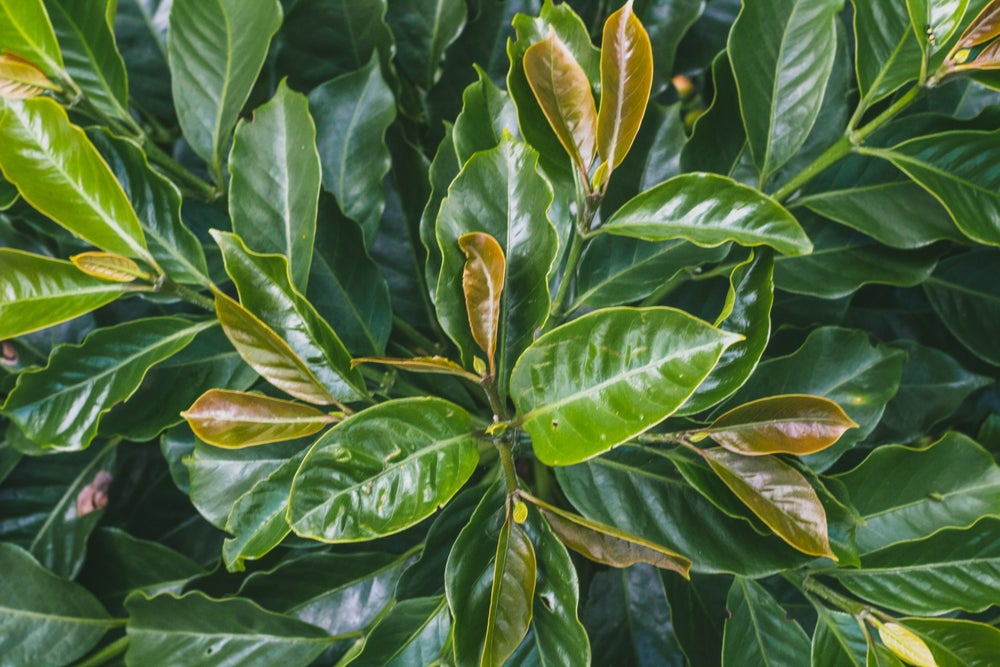
Cherry is selectively handpicked and delivered to the on-site wet mill. Rodrigo selected “Purple Caturra” for this lot, a Caturra variety with different leaves and cherry color than Red Caturra. When measured on Brix sugar content meters, “purple” Caturra has higher Brix content than typical Red Caturra. That is why it’s harvested at 25° to 26° Brix, with a pH of 6.
Once picked, cherry undergo 250 hours of anaerobic fermentation at a maximum temperature of 33 degrees. After fermentation, cherry is floated and visually sorted to remove any underripes or damaged cherry. Then parchment is dried in direct sunlight for 6 days before being moved to raised beds in the shade. Parchment is raked frequently to ensure even drying and it takes about 23 to 25 days for parchment to dry.
Clearpath
Founded by experienced agricultural trader Vicente Mejía, Clearpath Coffee works with producers in Colombia and exports high quality, sustainable single-origin coffees from smallholders, cooperatives and estates. Clearpath partners with producers to support ethical, sustainable growth through fair prices, direct communication with buyers and building long term relationships with sustainability-minded buyers.
Coffee in Colombia
Colombia has been producing and exporting coffee renowned for their full body, bright acidity and rich aftertaste, since the early 19th century.
Colombia boasts a wide range of climates and geographic conditions that produce their own unique flavors in coffee. This also means that harvest times can vary quite a bit. In fact, between all its different regions, Colombia produces fresh crop nearly all year round.
The increasing focus on the specialty industry is changing the way traders and farmers do business. It is becoming more common for farmers to isolate the highest quality beans in their lots to market separately. These higher-quality lots are often sold under specific brands or stories.
Besides its wide variety of cup profiles, Colombia has quickly expanded its certification options over the past 10 years. The most common certifications available are Fairtrade, Rainforest Alliance and Organic.