About This Coffee
The Aguirre family began cultivating Finca El Injerto in 1874 when Jesus Aguirre Panama purchased the farm. Jesus began cultivating sugarcane for panela production, corn, beans and tobacco. In 1900, Jesus planted the first coffee trees and named the farm Finca El Injerto after a native fruit in the region.
Today, father and son duo Arturo Aguirre Sr. and Arturo Aguirre Jr, third and fourth generation Aguirres to farm Finca El Injerto, cultivate coffee on the farm’s 750 hectares. Arturo Aguirre Sr. has worked on farm since 1956. Today, they work towards their family mission: farming with Good Agricultural Practices that are friendly to the environment and in ways that are entrepreneurial and socially responsible.
The farm attained its Carbon Neutral Certification in 2017. In 2019, they installed solar panels that made the farm virtually entirely dependent on renewable energy. They also have a hydroelectric plant on the farm that generates energy. Any extra energy produced at the farm is sold to the local power grid.
As part of the push towards specialty coffees, Arturo Aguirre Jr. learned to roast. Now, the Aguirres roast their own coffee on the farm and have created a coffee shop in Guatemala that helps locals experience the magic of a locally-produced cup of coffee.
Cultivation
Arturo Aguirre Sr. wanted to differentiate Finca El Injerto’s coffee through quality varieties. He chose varieties that were known for their high-quality profile, even when they had lower yields. Plots are organized by variety and varieties are kept separate during the entire processing and export stage.
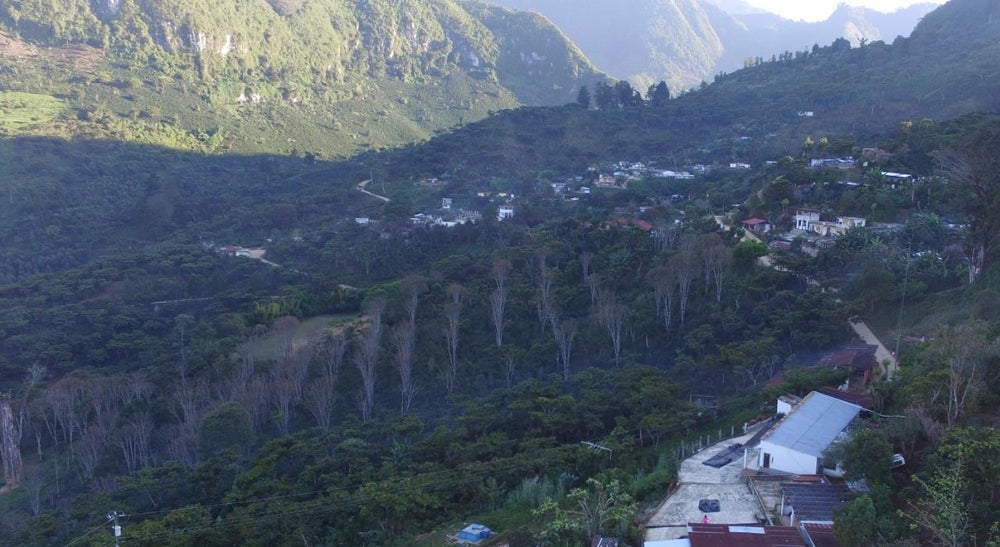
The farm is situated on mineral-rich, non-volcanic soil. The average precipitation is 1,600 millimeters annually with temperature of 22 degrees Celsius, creating an ideal microclimate for producing high quality coffee. Coffee trees are shaded by Inga, Gravillea and macadamia trees. Over half of the farm is protected by natural forest preserve.
Harvest & Post-Harvest
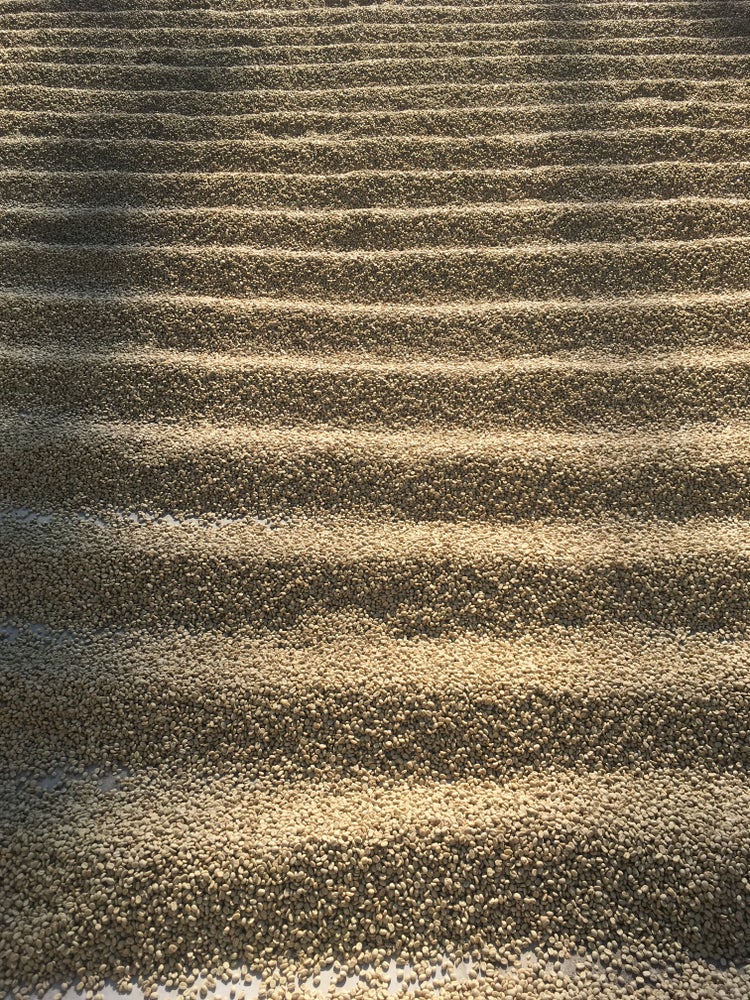
Cherry is selectively handpicked by trained laborers and pulped on the same day. Coffee is fermented in special tanks lined with glazed tiled. Following fermentation, parchment washed in clean water and then soaked in fresh water for 24 hours before drying. Parchment is moved to patios to dry. Workers rake parchment frequently to ensure even drying. Coffee is dry milled on the farm on their specialized dry milling equipment. They also have an on-site quality control lab that assesses quality before sale and informs future changes.
The Aguirres are focused on improving their environmental footprint. Worms breakdown coffee pulp into fertilizer that can be used on the farm. Parchment from dry milling is used to fuel the mechanical dryers.
About Huehuetenango
Huehuetenango is well-known for its high altitude and consistent weather patterns. The region lies at a nexus of hot air sweeping eastwards from the Plains of Tehuantepec in Oaxaca, Mexico and cool air rushing down from the Cuchumantanes Mountains. The meeting of this hot and cold air creates a microclimate that keeps frost in check and enables coffee cultivation at higher altitudes. Coffee production at 2,000 meters above sea level here is common. These conditions are perfect for producing the sparkling acidity and distinctive fruit flavors of the region.
Coffee in Guatemala
Guatemala boasts a variety of growing regions and conditions that produce spectacular coffees. Today, the country is revered as a producer of some of the most flavorful and nuanced cups worldwide. We are proud to work with several exceptional in-country partners to bring these coffees to market.
The Guatemalan coffee industry experienced a major setback with the 2010 appearance of Coffee Leaf Rust (CLR) in Latin America. The epidemic peaked in severity in 2012, and though CLR continues to affect some farms, Guatemala continues to produce high-quality, record-breaking coffees. In 2017, new and varied processing methods pushed prices at the Guatemalan Cup of Excellence contest to record highs.
The quality of coffee being produced in Guatemala is increasing, overall, due to the diversity of the industry’s producers. There are more and more small holder farmers producing exceptional coffee at high altitudes. Cooperatives are becoming more appealing to so many smallholders because they often offer farmers financing and other support for improving their farming and processing and are frequently able to offer higher prices for cherry than middlemen. Many cooperatives have initiated quality improvement training for farmer members and are becoming more adept at helping members market their coffee as specialty.