
About This Coffee
Owner Gidey Berhe Retta started trading coffee in 1993 in Jimma. He soon opened his own wet and dry mills. He purchased Limu-Kossa Estate in 2000. The estate combines age-old agroforestry knowledge with modern processing machinery and techniques.
Gidey keeps the farm involved with local communities. Limu-Kossa Estate has helped build school rooms, several wet mills and distributed disease-resistant coffee tree seedlings. Many call Gidey by his nicknamed, Abba Ollie, which roughly translate to means “the one who uplifts.”
Cultivation
Coffee trees are shaded by endemic species. Limu-Kossa Estate uses agroforestry techniques to nurture coffee trees while preserving the plant and animals species in the area.
The estate sits in the Eastern Afromontane Biodiversity Hotspot, a region with an extremely density of flora and fauna species. This biological diversity can help maintain soil health. The ecosystem also provides drinkable water for much of East Africa and the Arabian Peninsula.
Coffee trees are intercropped with indigenous tree species that are endemic to forests in the region. Over 100 beehives foster a lively bee population that help pollinate. The entire farm is organic (NOP & USDA) and Rainforest Alliance certified.
Harvest & Post-Harvest
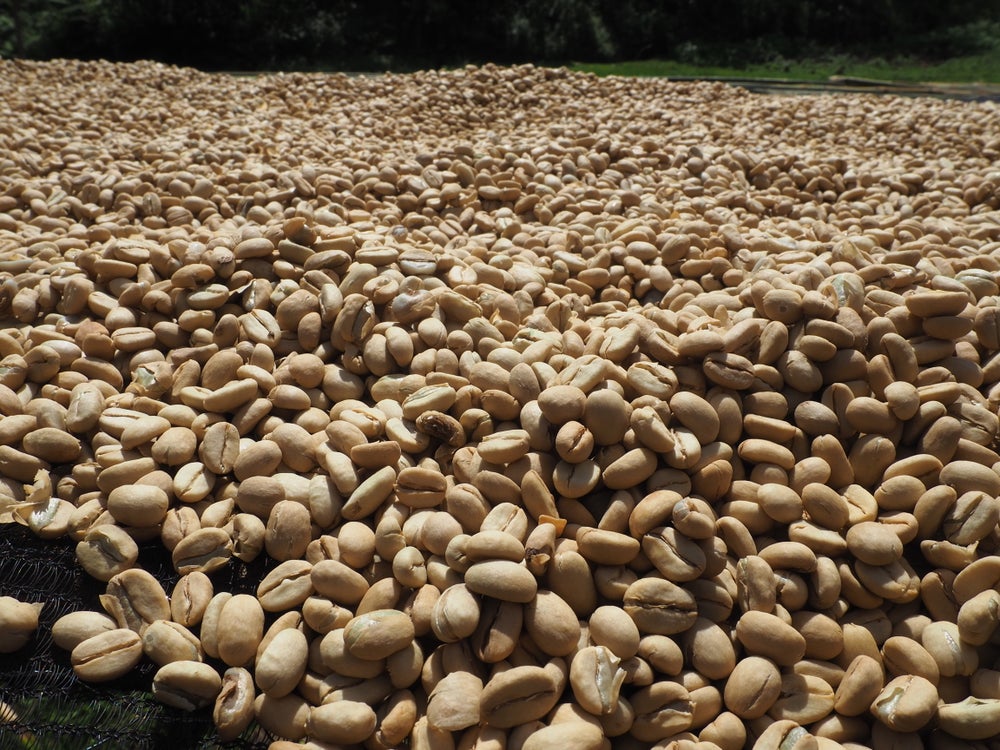
After selective handpicking, the farm’s state-of-the-art machinery pulps cherry while separating it into 3 grades by density. These grades are then each processed separately to produce the highest quality lots possible. After fermentation, parchment is washed in clean water and laid to sundry on raised beds. Parchment is raked frequently to ensure even drying. It takes approximately 7 to 12 days for parchment to dry.
The estate’s machinery was purchased with ecological impacts in mind and are designed to use minimal water during processing.
Once dry, parchment is rested in a warehouse on the farm for 60 days. Then, parchment is transported to the Gidey Berhe dry mill in Jimma.
Coffee in Ethiopia
While Ethiopia is famous as coffee’s birthplace, today it remains a specialty coffee industry darling for its incredible variety of flavors. While full traceability has been difficult in recent history, new regulations have made direct purchasing possible. We’re partnering directly with farmers to help them produce top quality specialty lots that are now completely traceable, adding value for farmers and roasters, alike.
The exceptional quality of Ethiopian coffee is due to a combination of factors. The genetic diversity of coffee varieties means that we find a diversity of flavor, even between (or within) farms with similar growing conditions and processing. In addition to varieties, processing methods also contribute to end quality. The final key ingredients for excellent coffee in Ethiopia are the producing traditions that have created the genetic diversity, processing infrastructure and great coffee we enjoy today.
Most producers in Ethiopia are smallholders, and the majority continue to cultivate coffee using traditional methods. As a result, most coffee is grown with no chemical fertilizer or pesticide use. Coffee is almost entirely cultivated, harvested and dried using manual systems.